Loyalty Tiers Unlocking Multi-Layered Bonuses Across Online Gaming Platforms
Viktor Günther · Jul 25, 2026
Loyalty Tiers Unlocking Multi-Layered Bonuses Across Online Gaming Platforms
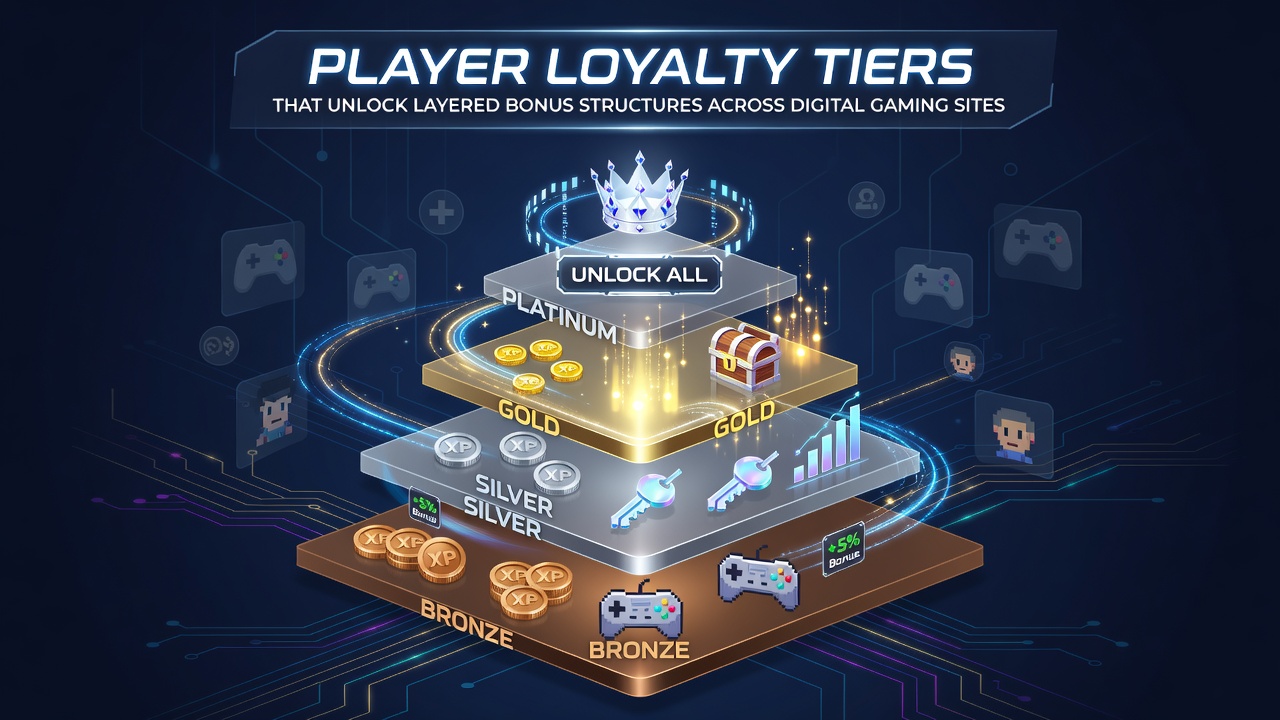
Digital gaming platforms organize player retention through structured loyalty tiers that grant access to progressively complex bonus arrangements, and these systems operate on point accumulation models where activity levels determine tier advancement. Data from industry reports show that entry-level tiers such as bronze or silver typically provide basic cashback percentages and occasional free spins while higher tiers like gold, platinum, and diamond activate compounded rewards including personalized multipliers, exclusive event invitations, and accelerated withdrawal processing.
Point Systems and Tier Progression Mechanics
Players earn loyalty points through wagers on slots, table games, and live dealer options, with conversion rates varying by platform yet following consistent patterns where every dollar wagered contributes set units toward tier status. Observers note that most sites reset progress on annual cycles, which encourages sustained participation across months rather than isolated sessions, and researchers at gaming analytics firms have tracked how this structure maintains engagement metrics throughout the year.
Advancement criteria differ across operators yet commonly require minimum deposit volumes or active day counts within evaluation periods, and those who reach mid-tier status often discover layered elements such as tiered cashback that stack with weekly promotions. Studies indicate that platforms in regulated markets adjust these thresholds periodically to align with player behavior data collected from transaction logs.
Layered Bonus Structures at Each Level
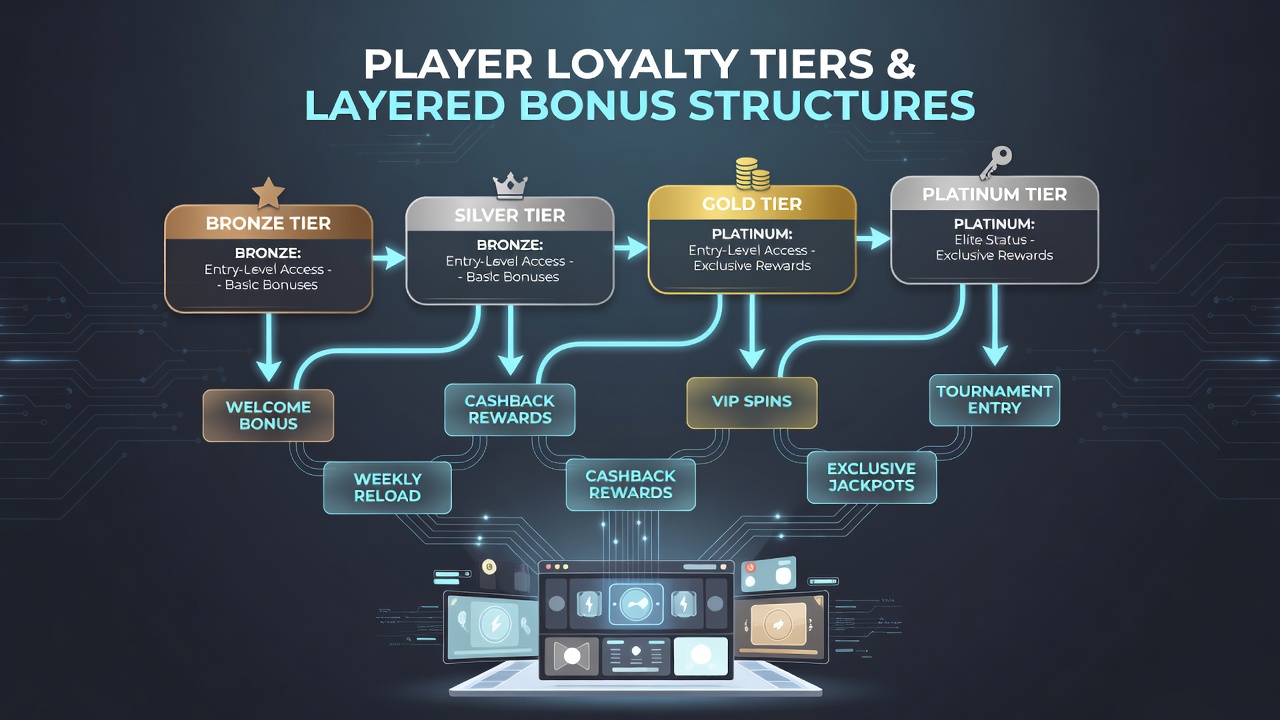
Bonus layers build upon one another as players climb tiers, starting with standard welcome matches at lower levels and expanding into rebate programs, reload bonuses, and tournament entries at elevated ranks. Evidence suggests that diamond-tier participants receive access to bespoke offers calculated from individual play histories, including higher deposit match percentages and reduced wagering requirements compared to base offerings.
One platform analysis revealed that silver-tier users might unlock 5 percent cashback on net losses while gold users see that rate rise to 10 percent alongside added free spin packages, and platinum status further incorporates insurance-style guarantees on certain game types. These increments create cumulative value that scales with loyalty duration and volume.
Regional Variations in Tier Implementation
North American operators regulated by state bodies integrate loyalty frameworks that comply with local licensing conditions, and similar patterns appear in Australian and Canadian jurisdictions where authorities require transparent disclosure of point values and bonus terms. Figures from the American Gaming Association indicate steady adoption of tiered systems among licensed online platforms operating in permitted states during 2025 and into mid-2026.
European operators outside UK oversight, including those licensed in Malta or Gibraltar, apply comparable tier models while adhering to consumer protection directives that mandate clear communication of reward conditions. Data collected by research institutions show that these layered structures correlate with longer average session times across multiple markets when players perceive attainable progression milestones.
Player Behavior Patterns and Platform Adjustments
Tracking data from multiple sites demonstrate that players who achieve higher tiers exhibit increased cross-game exploration, moving from slots into table games or live casino sections as bonus layers expand. July 2026 updates on several platforms introduced hybrid tiers that blend traditional points with achievement badges, allowing faster movement for users who combine deposit activity with social features or referral actions.
Case examples from industry reports highlight instances where operators recalibrated tier thresholds after reviewing retention statistics, resulting in modified point earning rates that better matched player spending distributions. Those adjustments typically occur after quarterly reviews and reflect aggregated anonymized transaction information rather than individual targeting.
Conclusion
Loyalty tier systems continue to evolve as platforms refine the connection between sustained activity and access to compounded bonus layers, with regulatory frameworks in various regions shaping disclosure requirements and operational transparency. Information from trade associations and academic reviews underscores how these structures function as retention tools while operating within established legal boundaries across global markets.