Loyalty Structures in Online Poker: Links to Improved Player Performance Metrics
Viktor Günther · Jun 1, 2026
Loyalty Structures in Online Poker: Links to Improved Player Performance Metrics
Online poker platforms have refined loyalty programs over recent years to reward consistent participation through points systems, tiered benefits, and redemption options that convert accumulated activity into tangible returns such as tournament entries, cash equivalents, or exclusive event access. Researchers have tracked how these structures align with session outcomes and long-term performance indicators, particularly in environments where data analytics track play volume against reward distribution.
Program Components and Their Implementation Patterns
Many operators structure loyalty initiatives around rake-based point accrual where players earn credits proportional to the fees generated from cash games or tournament entries, and these credits unlock escalating reward levels that range from basic cashback percentages at entry tiers to premium concierge services at higher brackets. Data from platform audits shows that programs incorporating milestone bonuses for consecutive active days or volume thresholds tend to maintain higher average session lengths compared to flat reward models. Operators in regulated markets like those overseen by the New Jersey Division of Gaming Enforcement often integrate real-time tracking dashboards that display progress toward the next tier, allowing participants to adjust their play schedules accordingly.
Redemption flexibility stands out as another variable, with some programs permitting instant conversion of points into buy-ins while others require accumulation periods before unlocking larger prizes. Studies from academic sources such as the University of Nevada Las Vegas International Gaming Institute have catalogued these variations across multiple sites and noted differences in how quickly players reach higher reward brackets depending on whether the system emphasizes daily login streaks or cumulative rake milestones.
Performance Correlations Identified in Platform Data
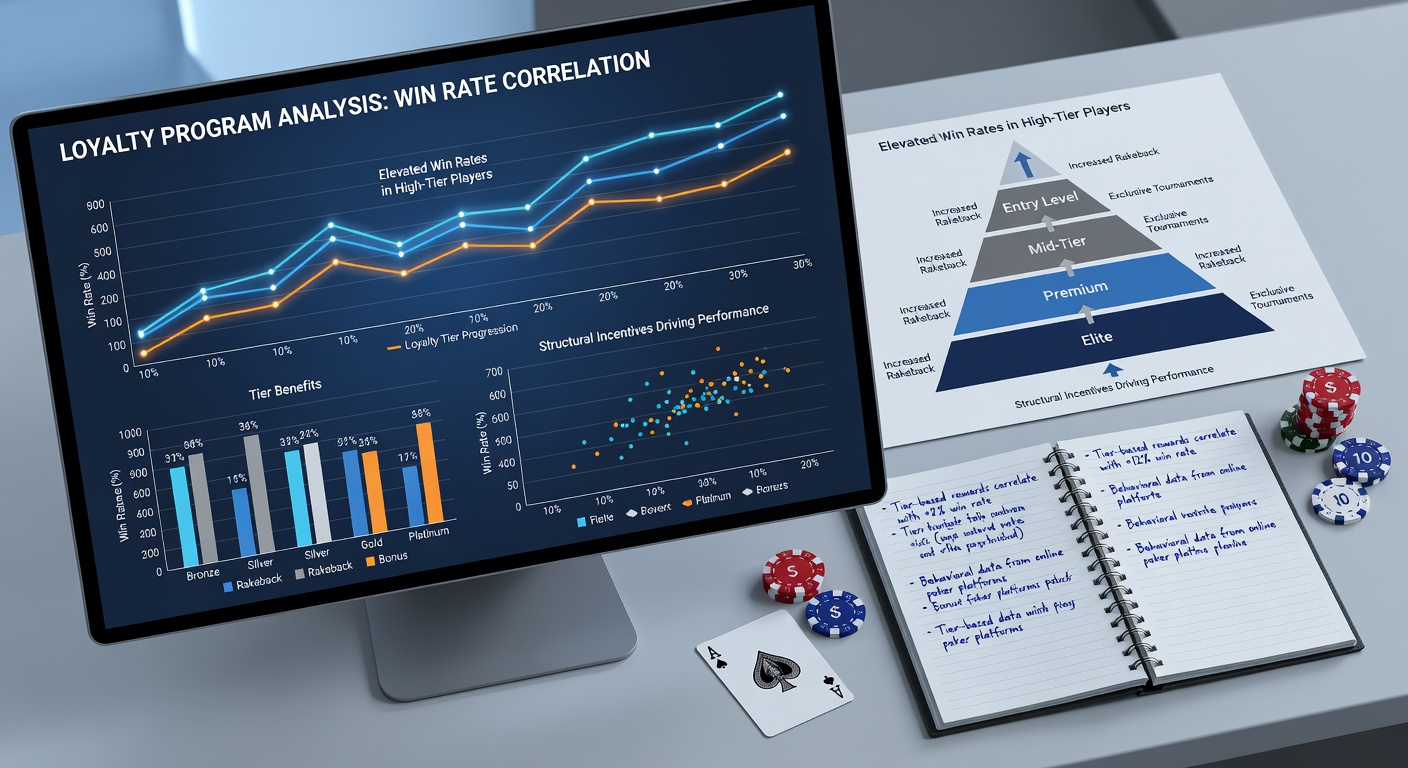
Analysis of aggregated player metrics reveals patterns where participants enrolled in multi-tier loyalty frameworks record elevated hand win percentages during extended sessions, particularly when rewards include direct reductions in effective rake or supplementary tournament tickets that extend playtime without additional deposits. Figures released in June 2026 by cross-platform monitoring services indicated that sites offering hybrid rewards combining cashback with status-based multipliers saw average player return-to-player ratios climb by measurable margins among those who progressed through at least three loyalty tiers within a six-month window. These correlations appear strongest in mid-stakes cash game environments where consistent volume directly feeds both point accumulation and strategic bankroll management.

Observers note that the timing of reward distribution also factors into these outcomes, because programs that release bonuses during active sessions rather than at month-end boundaries allow players to reinvest immediately and maintain momentum through variance swings. Platform operators have adjusted distribution schedules accordingly, shifting from periodic lump-sum credits to incremental drip rewards that align with individual session goals.
Regional Regulatory Influences on Program Design
Regulatory frameworks shape how loyalty incentives can tie into gameplay mechanics, and jurisdictions such as those managed by the Malta Gaming Authority require clear separation between promotional rewards and core game fairness to prevent any perception of outcome manipulation. Australian research compiled through the Australian Gambling Research Centre has examined similar structures and found that transparent point-to-reward conversion rates correlate with steadier player engagement metrics over multi-quarter periods. These findings emphasize documentation standards that let participants understand exactly how play volume translates into benefits without hidden multipliers or opaque qualification rules.
Programs that incorporate community events or leaderboard competitions alongside standard point systems often show additional layers of correlation with improved individual performance indicators, because the social element encourages sustained focus and strategic adjustments based on observed table dynamics. Data sets from 2025 through early 2026 continue to highlight these trends across both established and emerging poker networks operating under varying compliance regimes.
Conclusion
Platform operators continue refining loyalty architectures to balance player retention objectives with measurable performance indicators, and the data patterns emerging from these efforts provide ongoing material for further examination. Continued monitoring of tier progression rates alongside session-level outcomes will likely yield additional insights as more operators adopt standardized reporting practices across international markets.