International Player Networks Harness Live Data Streams to Refine Tactics in Wheel Games
Greta Walter · Jun 15, 2026
International Player Networks Harness Live Data Streams to Refine Tactics in Wheel Games
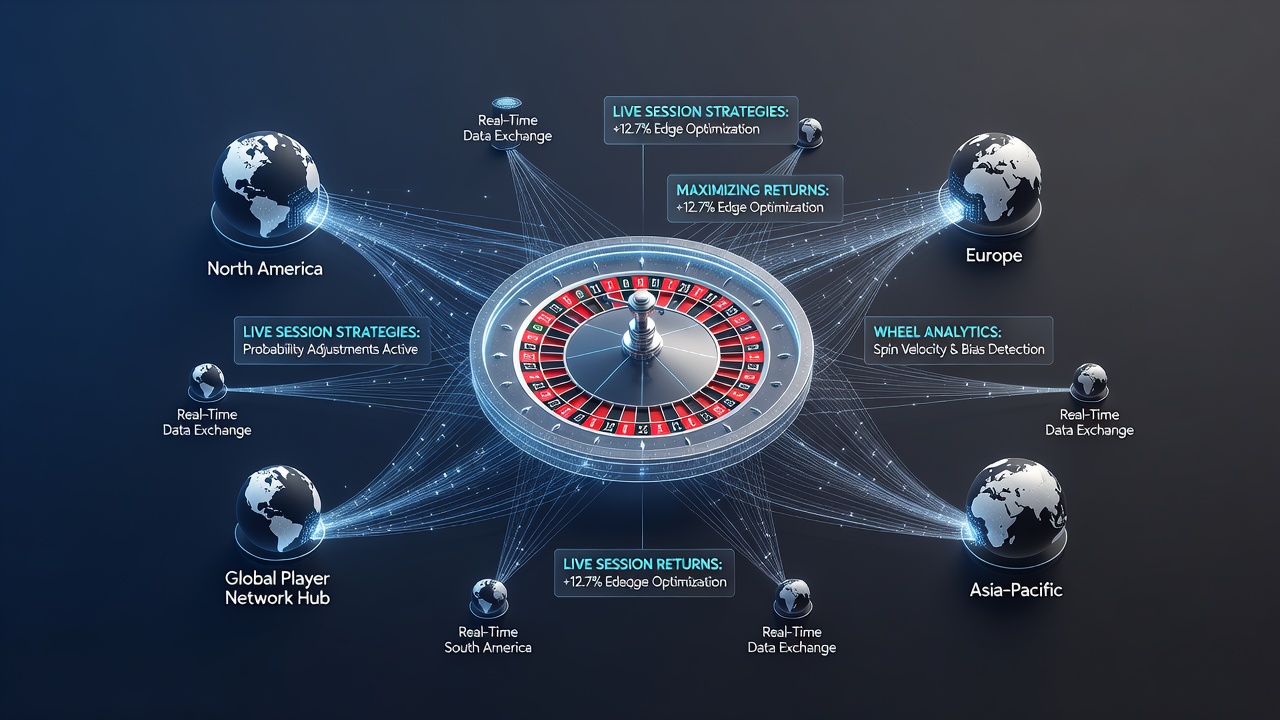
Wheel-based games such as roulette and the Big Six have drawn coordinated attention from international player groups that pool observations through secure channels, and these networks transmit wheel speed readings along with ball trajectory details the moment each spin concludes. Participants compile datasets on rotor biases and sector tendencies while sessions unfold, then distribute adjustments to betting patterns among members located in different time zones.
Data Collection Methods in Live Environments
Operators in major markets report increased scrutiny from these collectives, yet regulatory frameworks in several jurisdictions permit such exchanges when no direct interference with equipment occurs. Observers note that participants often deploy discreet timing devices or mobile applications to log results, then upload findings to shared repositories that update every few seconds during peak hours. Research from the University of Nevada's gaming analytics program indicates that synchronized timing across multiple venues can highlight mechanical variances that persist for extended periods, allowing groups to recalibrate wagers mid-session.
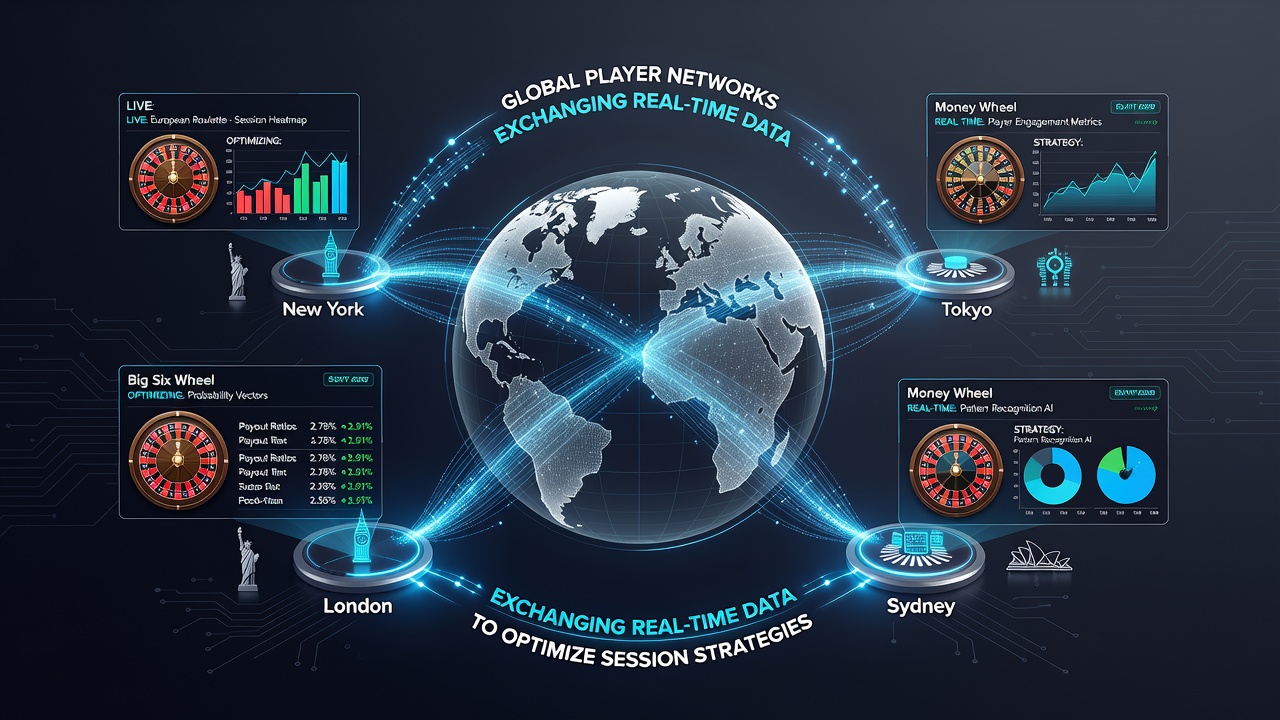
European and Asian operators have documented similar patterns where data packets flow between continents, and one study released in early 2026 highlighted how clusters of players adjusted stake distributions after receiving alerts about a particular wheel's dominant sectors. The process relies on encrypted messaging platforms that timestamp each entry, creating chronological maps of outcomes that members reference before placing subsequent bets.
Optimization of Session Approaches
Groups structure their operations around predefined roles, with some members stationed at physical tables to gather raw data while others analyze incoming streams remotely and issue recommendations. This division enables continuous coverage across multiple properties without requiring any single individual to remain at one location for prolonged stretches. Data indicates that such coordination has coincided with measurable shifts in average session lengths, as participants exit tables once predefined thresholds for deviation are reached.
What's interesting is how these networks integrate historical archives with current feeds, cross-referencing past performance logs against live inputs to flag emerging opportunities. In June 2026, reports from Australian regulatory bodies noted a rise in similar activity around wheel games in licensed venues, where aggregated statistics helped refine exit strategies before variance reversed prior gains. Members receive notifications through dedicated applications that highlight when collective data suggests a move to an adjacent table or an entirely different property.
Impact on Return Patterns
Industry associations such as the American Gaming Association have tracked aggregate betting volumes on wheel games, and figures reveal periods where coordinated play aligned with temporary elevations in payout ratios at specific wheels. These spikes typically coincide with the circulation of fresh datasets among network participants, though individual outcomes remain subject to standard probability distributions over longer horizons. External analyses from Canadian research institutes further show that groups employing real-time synchronization tend to reduce exposure during identified cold streaks by dispersing bets across linked wheels.
Turnout at international gaming conferences has included presentations on secure data protocols that facilitate these exchanges without violating platform terms, and attendees have examined case examples from multiple continents. The reality is that technological barriers continue to lower as encryption standards improve, enabling faster relay of wheel performance metrics between distant locations. Participants who maintain consistent contributions to the shared pool often gain priority access to refined models that predict sector clustering with greater granularity than solo observation permits.
Regulatory and Technical Considerations
Authorities in various regions have begun evaluating frameworks that address cross-border information flows, yet current guidelines focus primarily on preventing equipment tampering rather than restricting analytical collaboration. Technical infrastructure supporting these networks includes cloud-based servers that handle high-frequency updates from thousands of simultaneous sessions, and developers continue to refine compression algorithms that maintain accuracy during rapid transmission. Observers note that adoption rates have accelerated alongside broader mobile connectivity improvements, allowing members in remote areas to participate without physical presence at monitored sites.
Training materials circulated within established groups emphasize disciplined record-keeping and verification steps to filter erroneous entries before they influence collective decisions. This emphasis on data integrity helps sustain the reliability of recommendations distributed during active play windows, and several documented instances from 2026 illustrate how verification layers prevented premature shifts based on isolated anomalies.
Conclusion
Global player networks continue to expand their use of real-time data exchanges focused on wheel-based games, integrating live inputs with archived records to adjust approaches across sessions. The infrastructure supporting these activities has matured through contributions from technical specialists and academic researchers, creating systems that operate across regulatory boundaries while remaining within established legal parameters. As connectivity standards advance further, the scope of coordinated observation appears positioned to encompass additional wheel variants and properties worldwide.