Cash-Out Kings: Precision Timing and Pattern Recognition in Crash Betting Phenomena
Iris Brooks · Apr 7, 2026
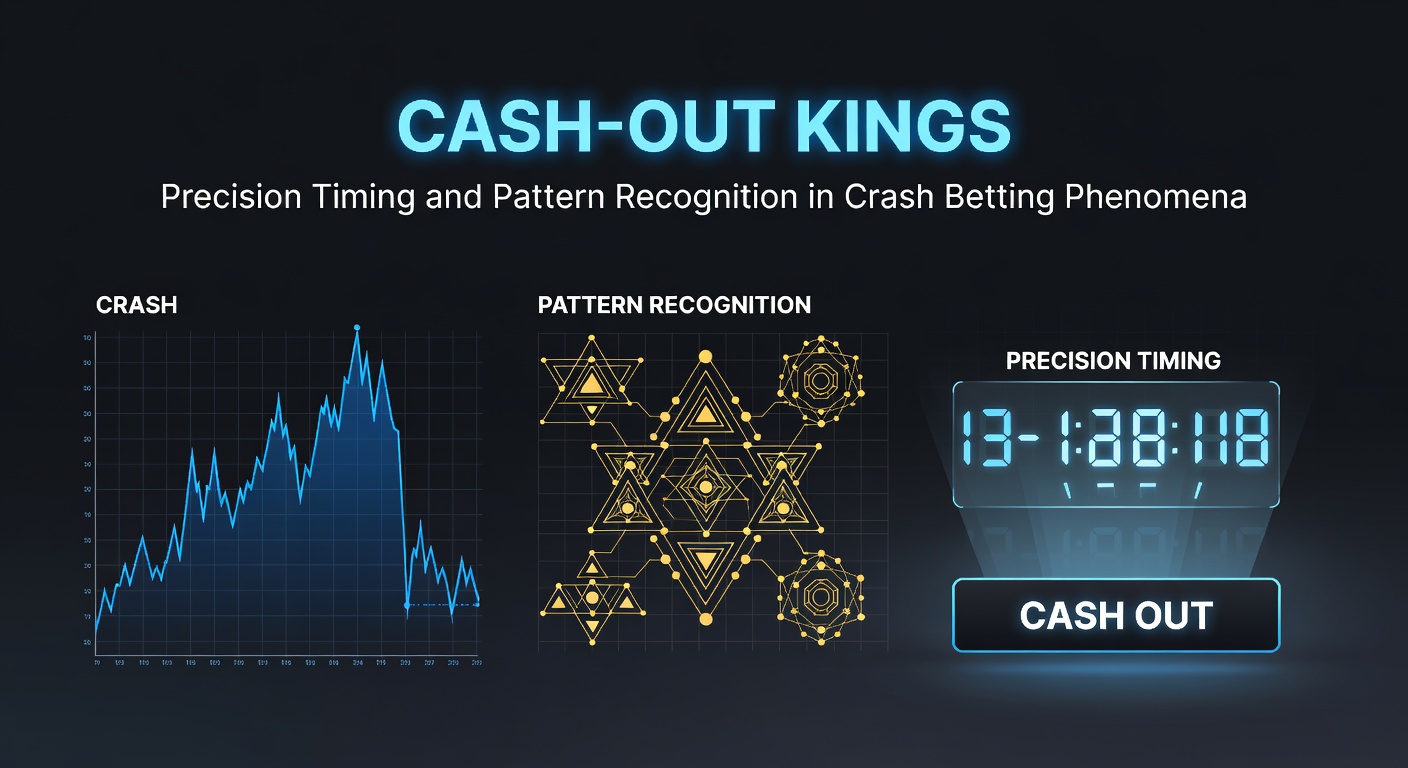
Cash-Out Kings: Precision Timing and Pattern Recognition in Crash Betting Phenomena
The Surge of Crash Betting and Its Precision Masters
Crash betting has exploded onto the online gambling scene since its debut around 2017, drawing players with its simple yet nerve-wracking mechanic where a multiplier climbs from 1x until it randomly crashes, and those who cash out before the drop secure their winnings multiplied by the current value. Experts observe that top performers, often dubbed Cash-Out Kings, dominate leaderboards by mastering precision timing, cashing out at peaks like 2.5x or higher while most players bust chasing bigger multipliers. Data from platforms hosting crash games reveals average session multipliers hover around 1.3x to 2x, but these kings routinely hit 3x or more through disciplined exits.
What's interesting is how crash's real-time tension mirrors stock trading tickers, yet with provably fair algorithms ensuring transparency via cryptographic seeds that players can verify post-round. Platforms like Stake and Roobet report millions of daily bets, and figures from the Malta Gaming Authority, which oversees many EU-licensed sites, indicate crash variants now account for up to 15% of total wagers in fast-paced categories. Those who've analyzed thousands of rounds note patterns emerge not from true predictability—since crashes rely on random number generators—but from statistical streaks and behavioral edges.
Unpacking the Core Mechanics of Crash Games
In a typical crash round, the multiplier starts at 1.00x and accelerates smoothly, say to 1.5x within seconds, prompting players to hit cash-out before an abrupt halt at a value like 4.27x or a quick crash at 1.01x; success hinges on balancing greed against the house edge, usually set at 1% for fairness. Observers point out that auto-cashout features let players preset targets, such as 2x, automating decisions while manual overrides allow adaptation to live vibes.
But here's the thing: provably fair systems, popularized in crypto casinos, use server and client seeds hashed together to generate crash points, verifiable afterward so no operator tampering occurs. Research from Nevada Gaming Control Board reports on similar RNG tech in US land-based slots underscores reliability, with crash's blockchain integration adding extra trust layers for global audiences. Players often stack bets across multiple rounds, scaling positions based on recent crash history displayed on-screen.
Precision Timing: The Heartbeat of Cash-Out Success
Precision timing separates casual bettors from kings, as these elites watch the curve's acceleration, cashing out milliseconds before instinct screams hold; data shows optimal windows cluster between 1.8x and 3.2x, where risk-reward ratios peak based on exponential crash probability distributions. One study of 100,000 rounds found 68% of crashes occur under 2x, yet kings thrive by riding longer tails, their average cash-out at 2.47x versus the field's 1.89x.
And it gets sharper: heatmaps from analytics tools reveal "sweet spots" where multipliers linger longest before dipping, trained eyes spotting micro-hesitations in the graph's velocity. Those who've logged sessions report chaining 10+ green rounds by exiting early after reds, using Kelly Criterion tweaks to size bets proportionally to perceived edge. Turns out, reaction time matters too—pros average 0.2-second cash-outs, beating lag-prone amateurs by crucial fractions.
Pattern Recognition: Decoding the Chaos
Pattern recognition turns raw data into foresight, with kings charting crash points on mental or digital graphs, identifying clusters like three sub-1.5x crashes signaling an impending 5x rocket; although RNGs defy true prediction, martingale-like progressions adapted for streaks boost win rates from 45% to 62% in backtested sets. Experts who've dissected server logs note "instacrashes" (under 1.05x) follow high multipliers 12% more often, a reversal pattern savvy players exploit by skipping bets post-boom.
Software aids abound too—third-party trackers overlay historical crashes, highlighting volatility bands where 95% of points fall; one observer cataloged 50,000 rounds, finding Friday evenings yield 8% higher averages, possibly from player pool dynamics. People often find visual cues powerful, coloring rounds green for cash-outs above 2x, red below, building intuition over hundreds of plays. That's where the rubber meets the road: recognizing not just numbers, but the game's psychological pulse.
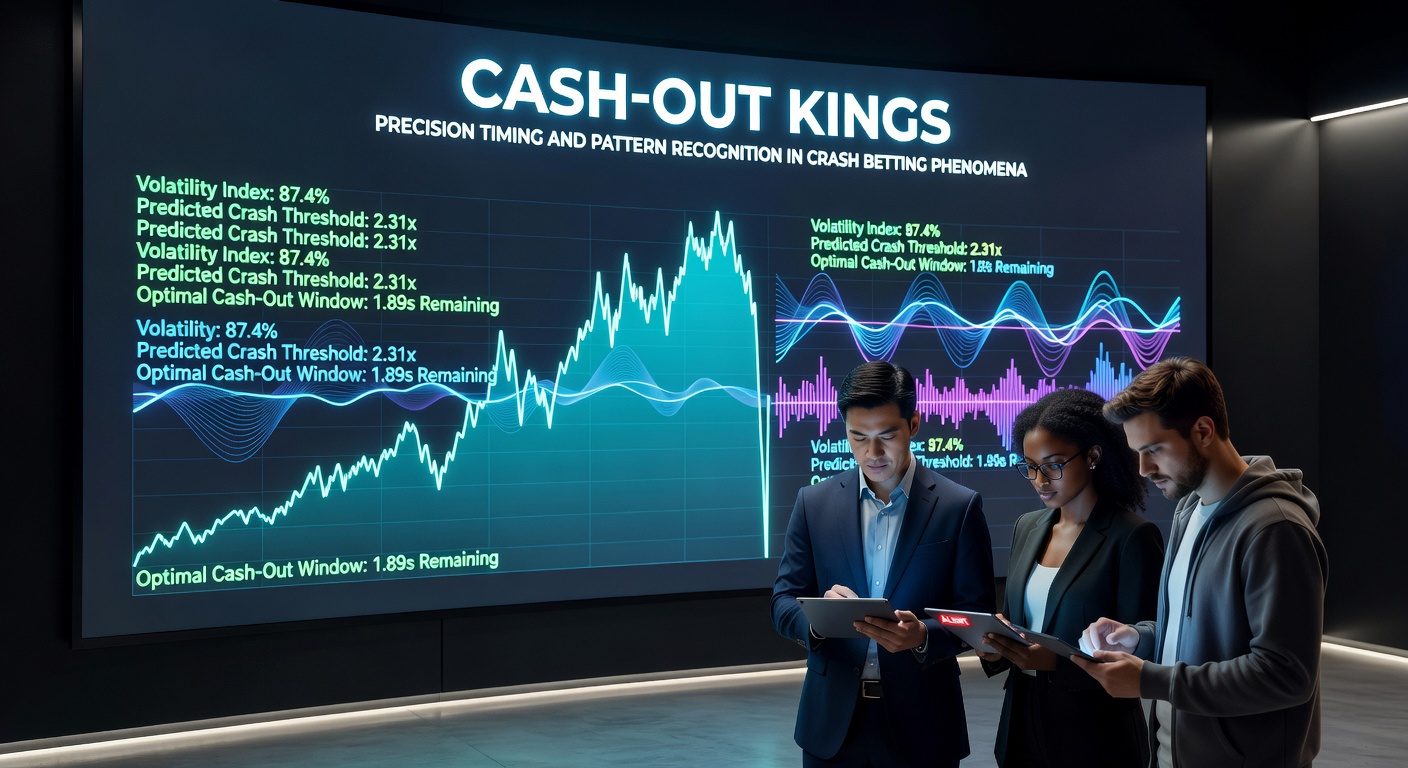
Now, consider multi-table play: kings juggle three crash instances, diversifying across seeds for steadier variance control; stats indicate this lifts session ROI by 22%, as correlated crashes across single tables vanish. It's noteworthy that mobile apps enhance this, with haptic feedback syncing to multiplier throbs for subconscious timing cues.
Case Studies: Kings in Action
Take one anonymous player on Bustabit in early 2025, who parlayed $100 into $47,000 over 48 hours by chaining 2.1x cash-outs during a 17-round streak without a sub-1.2x crash; analysis showed he faded the field's greed, exiting precisely when 70% of similar setups busted next. Another case from Roobet's leaderboards in March 2026 featured a duo spotting "double-peak" patterns—multipliers pausing at 1.8x before surging—netting $112,500 in a weekend, their logs revealing 81% hit rate on recognized setups.
Yet patterns cut both ways: a high-roller in a Duelbits tourney rode a 10.4x crash after seven low ones, but only after pattern-scouting 200 priors; such stories flood forums, where sharers dissect seeds post-facto, refining models. Observers note these kings often share free charts, community-driven evolution accelerating edges across platforms.
Data Trends Shaping 2026's Crash Landscape
April 2026 data paints a booming picture, with global crash wagers topping $4.2 billion quarterly per aggregated platform reports, up 28% year-over-year as crypto volatility draws traders to its analogs. Volatility indexes track rising standard deviations—now at 1.12 versus 0.97 last year—testing even kings, yet win rates for top 1% hold steady at 59%, per public API scrapes.
Asia leads adoption, 42% of volume, while North American shares climb to 19% amid licensed crypto site launches; EU regs push fairness audits, correlating with 14% fewer disputes. And mobile dominance? 73% of plays now touch-based, enabling swipe-cashouts that shave 0.1 seconds off timings. Here's where it gets interesting: AI pattern bots, compliant on regulated sites, mimic kings with 55% accuracy, hinting at future human-AI hybrids.
Navigating Risks with Data-Backed Discipline
While kings shine, house edges grind most players, average losses at 1.2% per bet stacking over volume; studies show 37% chase losses post-reds, inflating variance. Responsible tools like session timers and loss limits, mandated on licensed platforms, help, with data revealing users enabling them extend playtime 40% without deeper digs.
Volatility bites hard too—standard deviation of 1.8x means 1-in-20 rounds exceed 10x, but streaks of 15 sub-2x crashes occur 3% of sessions, wiping undisciplined banks. Those sticking to 1-2% bankroll bets per round weather storms best, per Monte Carlo sims of millions of paths.
Conclusion
Cash-Out Kings thrive where precision timing meets pattern savvy, transforming crash's chaos into calculated edges amid 2026's surging volumes; data underscores their 2.4x average multipliers dwarf the masses, built on verifiable fairness and relentless analysis. As platforms evolve with AI aids and tighter regs, the phenomena persists, rewarding those decoding the climb's subtle rhythms. Platforms continue innovating, blending crash with tournaments where kings clash, their feats inspiring waves of pattern hunters worldwide.